Key Takeaways
- Car keys come in four broad types: mechanical, transponder, remote-head, and proximity / smart key.
- Anything with a chip must be cut and programmed (or cloned) to the vehicle's immobilizer before the engine will start.
- Automotive locksmiths often come to you and can be faster; dealers may be the only option for some makes or recent models.
- Expect to show photo ID plus title or registration. Anyone who doesn't ask is cutting a corner that protects you.
- Always keep a working spare: duplicating is far easier than an all-keys-lost job.
Which Key Do You Have?
Look at the key in your hand, or the owner's manual, before you call anyone. The type determines who can make a replacement, how long it takes, and most of what it costs.
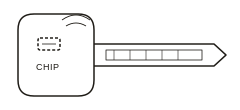
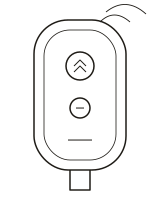
| Type | What it looks like | What a replacement needs |
|---|---|---|
| Mechanical | All-metal key, or a plain plastic head on older vehicles | Cutting only |
| Transponder | Plastic head with a hidden chip; no buttons | Cutting plus programming or cloning the chip |
| Remote-head / flip key | Buttons and blade in one unit | Cutting, chip programming, and remote programming |
| Proximity / smart key | Fob you keep in a pocket; push-button start | Fob matched to the vehicle, programming, and cutting the emergency blade |
Blades differ too. A traditional edge-cut blade has notches along its edges. A laser-cut (sidewinder) blade has a groove milled into its flat face and needs a dedicated machine. Your blade type affects who can cut it on the spot.
How Immobilizers and Programming Work
Since transponder systems became widespread, most cars have had an immobilizer: the engine computer won't allow the engine to run unless it recognizes a coded signal from the key. The transponder chip in the key's head has no battery; the ignition's antenna ring powers it briefly and reads its response. Proximity systems work similarly, but the fob has a battery and communicates over a short range so the car can unlock and start without inserting a key.
"Programming" means teaching the car to accept a new key. Depending on the vehicle, that happens in one of a few ways:
- Onboard procedure — on some older models, a sequence of key turns and door actions with an existing working key adds a new one. Owner's manuals sometimes describe it.
- Diagnostic programming — a programming tool plugs into the OBD-II port under the dash and adds the key, often requiring a security PIN from the manufacturer.
- Cloning — for some transponders, a technician copies the data from an existing key's chip to a new one, so the car sees it as the same key.
- Module work — for some all-keys-lost cases, the immobilizer or a control module is removed and programmed on the bench.
Manufacturer key codes and security PINs are released to credentialed professionals. In the U.S., the National Automotive Service Task Force (NASTF) runs a Vehicle Security Professional (VSP) registry that vets individuals — and requires a locksmith license from applicants who obtain codes as locksmiths in states that license them — before they can buy key and immobilizer codes from automaker sites.
Automotive Locksmith or Dealership?
| Consideration | Automotive locksmith | Dealership service department |
|---|---|---|
| Comes to you | Often, yes — useful when the car can't be driven | Usually no; the car may need to be towed in |
| Speed | Often same day if they stock your key | May need to order a key; appointment required |
| Vehicle coverage | Broad, but some makes/years need dealer-only tools | Full coverage for its own brand |
| Parts | OEM or quality aftermarket — ask which | OEM |
| Price | Frequently lower total, varies widely | Often higher, plus possible towing |
| Proof of ownership | Should require ID and registration/title | Will require ID and registration/title |
Scenario: you lost the only proximity fob for a three-year-old sedan in a parking garage. The dealer quotes a fob plus programming and says the car must be brought in — which means a tow. An automotive locksmith quotes a similar or lower total, comes to the garage, and can do it that evening. Both are valid; the deciding factors are total cost including towing, timing, and whether the locksmith can program your exact model.
Before you book, call with your year, make, model, and VIN, tell them whether you have a working key, and ask: "Can you cut and program this on site, is the key OEM or aftermarket, and what's the total?"
Proof of Ownership
A reputable dealer or automotive locksmith will not make a key for a car without verifying you have the right to it. Expect to show:
- A government photo ID (driver's license, state ID, or passport).
- The vehicle title or current registration in your name. For a leased or financed car, the registration usually works.
- Sometimes an insurance card or a letter from the owner if you're an authorized driver.
If the documents are locked in the car, the technician may open the car first, then check the paperwork before cutting or programming. Being asked is a good sign. Being not asked should make you wonder who else they'd make a key for.
Duplicate vs. All Keys Lost
Bringing a working key is the cheapest, fastest situation: the technician cuts a blade to match and adds the new chip or fob to the car. With all keys lost, they must originate a key from the key code (obtained with your VIN and proof of ownership) or by decoding the door lock, then program it — sometimes with extra security steps. That's more labor and, on some vehicles, more equipment.
The lesson is simple and cheap: if you have only one key, get a spare made now, while you still have something to copy.
Fob Batteries, Online Fobs and Other Practical Notes
- Dead fob battery? Most proximity fobs hide a mechanical blade for the door, and many cars let you start by holding the fob against a marked spot on the column or start button. Check the owner's manual before calling anyone.
- Online fobs: part numbers and frequencies must match exactly, and used fobs are sometimes locked to their original car. Ask a technician before buying.
- Remove lost keys from the car's memory where possible. Programming a new key can often erase the lost one, so it won't start the car if found.
- Ignition problems (key won't turn, stuck) are sometimes a worn key, not the ignition. A fresh key cut by code can fix it.
- Warranty and recalls: check whether your vehicle has key or ignition recalls before paying for repairs; NHTSA's recall lookup uses your VIN.
Keyless Entry and Relay Theft
Proximity keys introduced a new risk: a relay attack, in which thieves use radio equipment to extend the signal between a fob inside your house and the car in your driveway, so the car believes the key is nearby. Manufacturers have added countermeasures such as motion-sensing fobs that go to sleep when still, but older systems remain exposed. Simple steps help: keep fobs away from exterior doors and windows, store them in a signal-blocking pouch or metal box (test it by walking to the car with the fob inside), and check whether your fob has a setting to disable keyless entry. A steering-wheel lock or a parked position that blocks easy towing adds a visible layer.
Questions Readers Ask
Can a locksmith program a car key fob?
Many automotive locksmiths can program transponder keys and proximity fobs for a wide range of vehicles using specialized equipment. Some makes and model years require dealer-level software or security access. Ask with your year, make, and model before booking.
Can I buy a fob online and have it programmed?
Sometimes, but it is risky. The fob must match your vehicle's exact part number and frequency, and some used or aftermarket fobs can't be reprogrammed. Many locksmiths and dealers will not guarantee a part they did not supply.
What proof of ownership do I need for a new car key?
Usually a government photo ID plus the vehicle's title or registration in your name. If the car is leased or financed, the registration typically works; a dealer may ask for additional documents. The name on the ID should match the paperwork.
What does all keys lost mean?
It means there's no working key to copy. The technician must create a key from the vehicle's key code or by decoding the lock, then program it to the car. This takes longer and usually costs more than duplicating an existing key.
Sources
- National Automotive Service Task Force — What is a NASTF Vehicle Security Professional?: support.nastf.org
- NASTF — VSP Registry (Secure Data Release Model): nastf.org
- NHTSA — Vehicle recall lookup by VIN: nhtsa.gov/recalls
- Federal Trade Commission — "FTC Urges Consumers to Use Caution When Seeking a Locksmith": ftc.gov
- ALOA Security Professionals Association — automotive certification categories (CAL, CMAL): aloa.org/certifications